
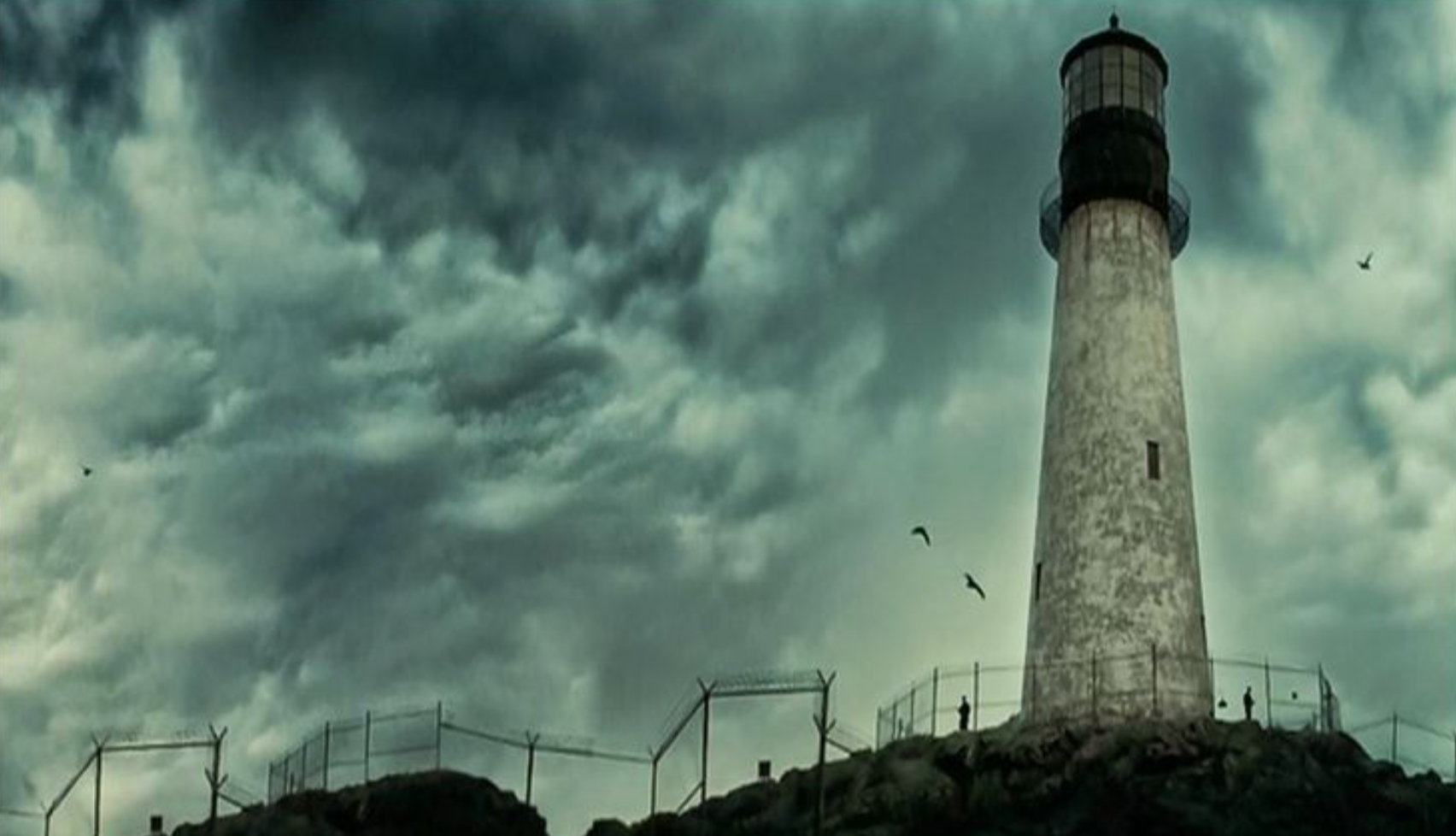
Some mystery novels hide their real puzzle not in the story itself, but in the way readers make sense of it. When narration becomes unreliable—or even deliberately deceptive—the mystery is no longer just about identifying the culprit, but about how and why the reader is led to reach the wrong conclusions in the first place. If you are interested in this kind of narrative trickery, here are a few recommended works of “metaphysical” or structurally deceptive mystery fiction.
The Murder of Roger Ackroyd by Agatha Christie
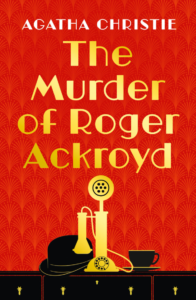
Source: Abbey’s Bookshop
https://www.abbeys.com.au/book/the-murder-of-roger-ackroyd-9780008535827.do
It is a landmark work in the history of detective fiction, widely regarded as a foundational text for modern narrative trickery. Its core significance lies not in the complexity of its crime, but in its systematic use of the narrator’s reliability as a device. By skillfully exploiting the reader’s natural tendency to trust the narrator, Christie leads them to accept a carefully structured version of events, resulting in a coherent but ultimately misleading interpretation of the story.
GOTH by Otsuichi
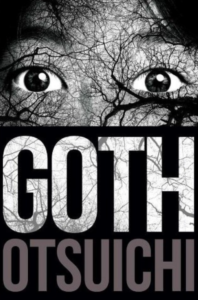
Source: Simon & Schuster Australia
https://www.simonandschuster.com.au/books/Goth/Otsuichi/Goth/9781421580265
Otsuichi’s storytelling often relies on shifts in pacing, atmosphere, and narrative focus to guide the reader’s attention toward specific details, while quietly diverting it away from more structurally important information. GOTH is one of his most representative works of narrative trickery. Unlike traditional detective fiction, it places less emphasis on logical deduction and instead focuses on how attention is directed and how readers perceive and process information as the story unfolds.
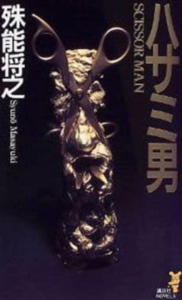
The Scissors Manby Masayuki Shuno
Source: Kodansha
https://www.kodansha.co.jp/book/products/0000158310
At first glance, the novel adopts a relatively straightforward narrative style, but in reality it exploits the reader’s tendency to automatically fill in gaps in narrative structure, leading them to construct a fundamentally misleading interpretive framework. The reader is not given incorrect information; rather, they are guided into organizing correct information in the wrong way. After finishing the book, readers are often prompted to reconsider how they have been interpreting narrative structure itself.
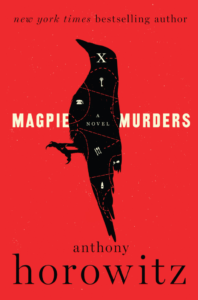
Magpie Murders by Anthony Horowitz
Source: Amazon
https://www.amazon.com.au/Magpie-Murders-Anthony-Horowitz/dp/0062645226
This novel combines traditional detective fiction structure with a more contemporary form of textual experimentation. It employs a layered narrative design, allowing readers to engage with multiple levels of text at once and creating a more complex reading experience. Readers must constantly move between layers of information that may overlap or contradict each other, gradually building an understanding of the work as a whole. Here, the mystery is not limited to the story itself, but is also embedded in the structure and organization of the narrative.
Featured Image Source: Pinterest
https://au.pinterest.com/pin/546342998552533319/
Leave a Reply