

Category: All articles
-
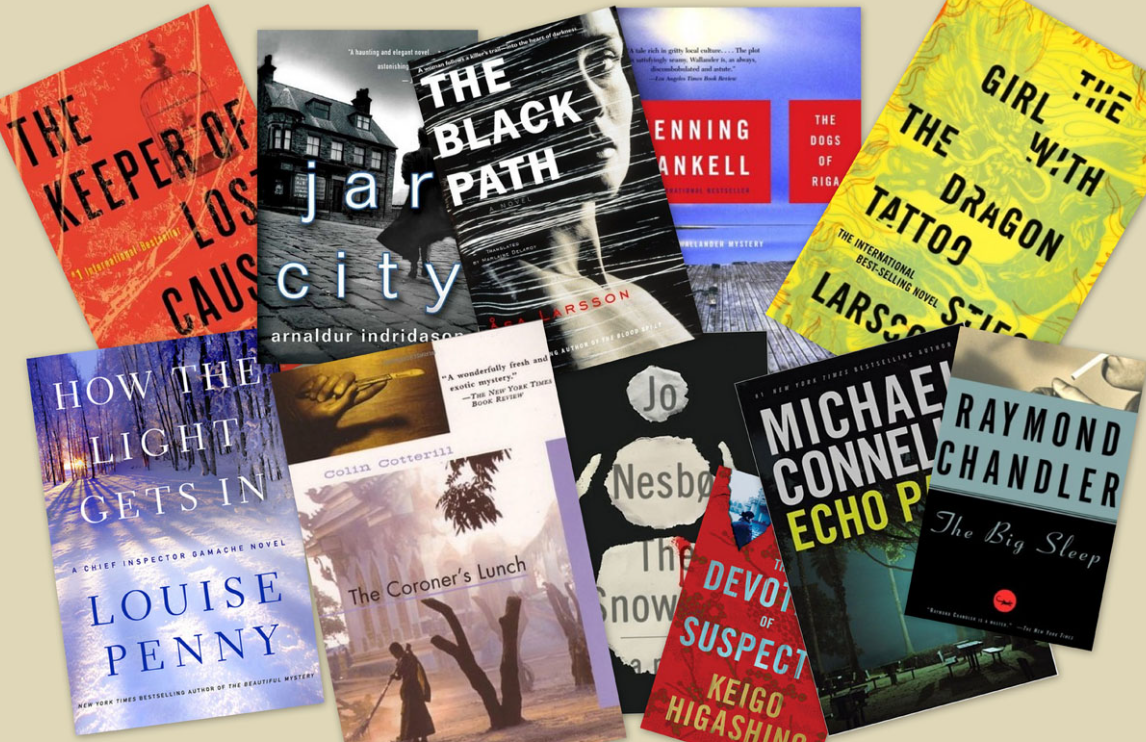
Six Types of Mystery Fiction and Their Writing Characteristics
When people think of detective fiction, the first things that usually come to mind are solving crimes and identifying the culprit. In reality, however, different types of mystery fiction place their emphasis on very different elements. Some works focus on logic and intricate tricks, while others are more concerned with social issues, psychological depth, or…
-
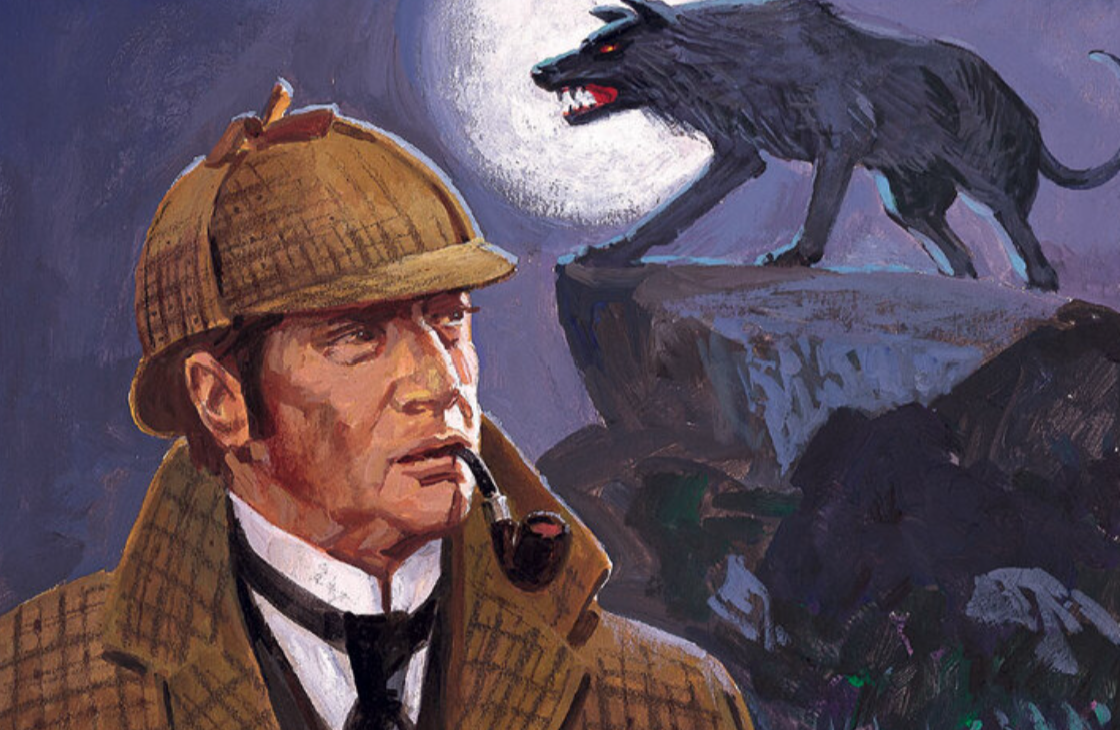
Spoiler Warning | The Hound of the Baskervilles: A Classic Sherlock Holmes Novel
This is a review of The Hound of the Baskervilles, focusing on this classic Sherlock Holmes novel. It introduces the story’s setting and the development of the case, which will likely feel familiar to readers of Sherlock Holmes: a legend, a series of deaths, and a gradually unfolding investigation set on the moors. While revisiting…
-

Three Common Mechanisms of Mystery Fiction Tricks
In the structural design of detective fiction, well-executed tricks are rarely built around a single device. Instead, they emerge from the gap between how information is arranged, how the story is structured, and what readers expect. A common technique is to create cognitive confusion through the use of “similar elements.” At the core of this…
-
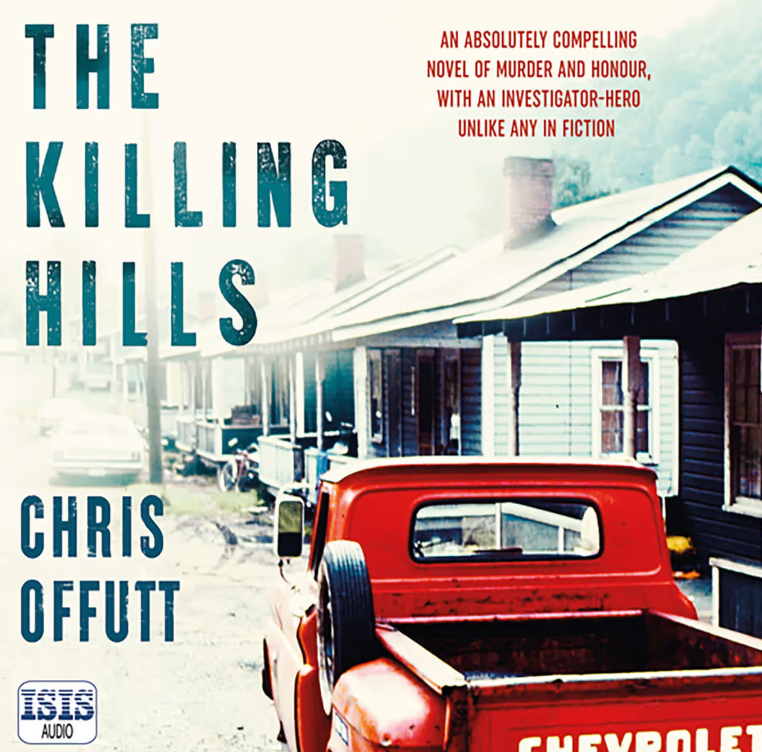
Spoiler Warning | The Killing Hills By Chris Offutt : A Must-Read In Appalachian Noir
This article focuses on Chris Offutt’s novel The Killing Hills. In the author’s discussion, the book is not only about the progression of a murder investigation, but also about the complex family relationships between its characters, local power structures, and the underlying tensions within small-town life. In addition, the author highlights the novel’s detailed portrayal…
-
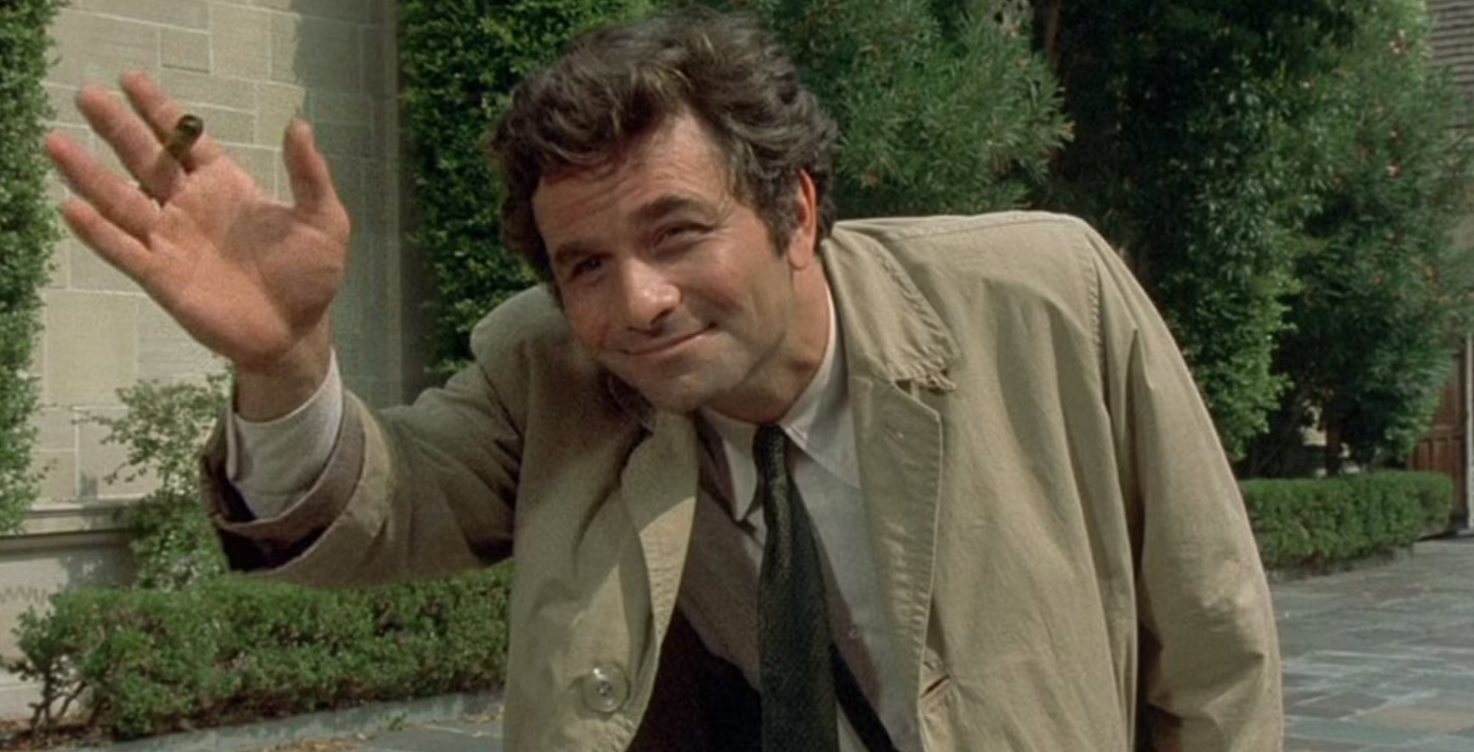
The Best Detectives are the Least Perfect
Many detectives in classic mystery fiction are actually far from perfect. Sherlock Holmes can be arrogant, emotionally distant, and even harsh at times. Hercule Poirot in Agatha Christie’s novels, is brilliant but also deeply self-important. Columbo, on the other hand, appears messy and unpolished. Why do authors avoid making these characters completely flawless? If a…
-

Some Details Tell the Truth, While Others are Deceiving You
When people read detective or mystery novels, they often notice the same thing: some details feel important at first but never really matter in the end, while other seemingly ordinary details later turn out to be key clues. This is basically the difference between red herrings and foreshadowing. Foreshadowing usually doesn’t stand out when it…
-

Spoiler Warning | Why do you always guess the wrong murderer? — The Decagon House Murders
Yukito Ayatsuji’s The Decagon House Murders is the first installment in the “Mansion series” and one of the landmark works of the new honkaku mystery movement. Unlike many detective novels that rely on elaborate locked-room setups or mechanical tricks, what makes The Decagon House Murders so successful is not merely the puzzle of the crime…
-

Spoiler Warning | A Mystery Train Without a Single Culprit
Murder on the Orient Express is a classic in detective fiction not only because of its clever central puzzle, but also because it changes the idea of what a “murderer” is. In traditional detective stories, the culprit is typically a single, clearly identifiable individual, and the process of deduction involves narrowing down a group of…